
Knee discomfort can slowly alter an individual’s lifestyle. Simple activities such as walking, climbing stairs, exercising, or getting up from a chair can become uncomfortable when the knee joint is severely damaged. When medications, physiotherapy, lifestyle changes, and other non surgical treatments no longer provide sufficient relief, knee replacement surgery may become an option.
Choosing the right surgeon is one of the most important decisions a patient can make before undergoing this procedure. There are many knee replacement surgeons available, but every surgeon may have a different area of expertise, surgical approach, experience, and treatment philosophy.
For patients considering knee replacement, understanding what to look for in knee replacement surgeons can make the consultation process easier and more informed.
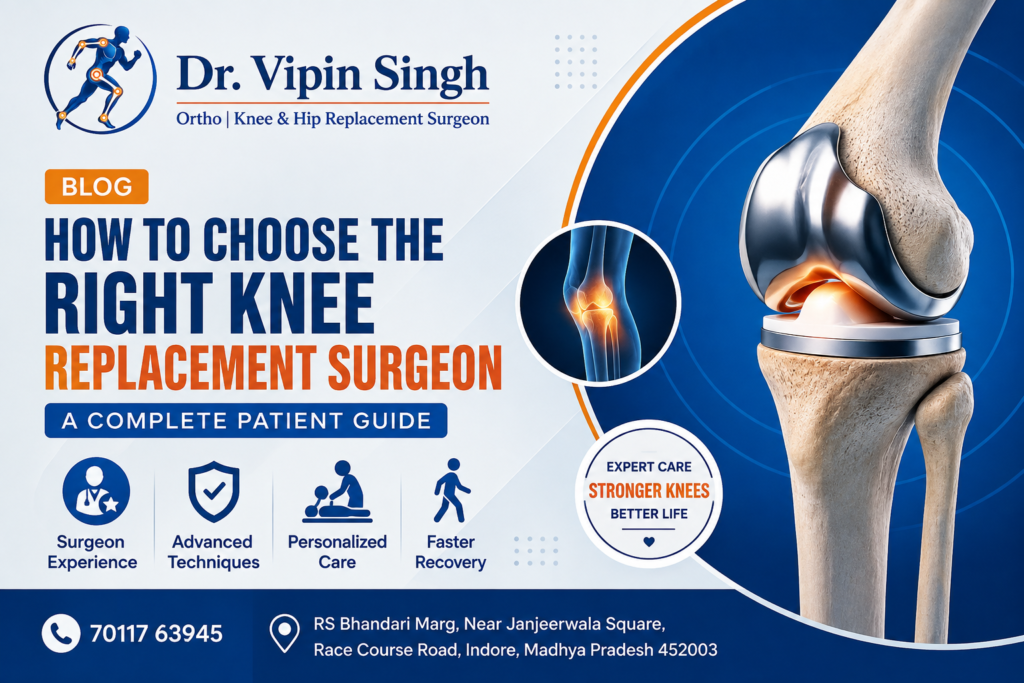
What is Knee Replacement Surgery?
Knee replacement is a surgical procedure used to replace damaged surfaces of the knee joint with specially designed implants. It is commonly considered for people with advanced osteoarthritis or other conditions that have significantly affected the structure and function of the knee.
The main objective is not simply to replace the joint. The goal of the procedure is to reduce persistent pain, improve knee function, restore mobility, and help the patient return to everyday activities.
Experienced knee replacement surgeons carefully evaluate the patient’s symptoms, medical history, physical condition, imaging reports, activity level, and expectations before recommending surgery.
When Should You Consult Knee Replacement Surgeons?
Not every person with knee pain requires replacement surgery. In many cases, symptoms can be managed with non surgical treatment.
However, consultation with qualified knee replacement surgeons may be appropriate when you experience:
- Persistent knee pain that affects daily activities
- Difficulty walking or climbing stairs
- Significant stiffness or restricted movement
- Pain that continues despite conservative treatment
- Advanced knee arthritis
- Knee deformity or progressive joint damage
- Difficulty sleeping because of knee pain
- Reduced ability to work, exercise, or participate in normal activities
A detailed orthopedic evaluation helps determine whether knee replacement is appropriate or whether another treatment option may provide better results.
Why Choosing the Right Surgeon Matters
Knee replacement is a major orthopedic procedure, and the surgeon’s experience can be an important part of the overall treatment journey.
When comparing knee replacement surgeons, patients should consider more than online ratings or advertisements. Look for a surgeon who takes time to understand your condition and explains the available treatment options clearly.
Important factors include:
Experience in Knee Replacement
Ask about the surgeon’s experience with knee replacement procedures and the types of knee conditions they regularly manage.
Proper Diagnosis
A good treatment plan begins with an accurate diagnosis. Clinical examination and appropriate imaging help determine the extent of joint damage and whether surgery is actually necessary.
Personalized Treatment Planning
Every knee is different. Age, activity level, bone quality, medical conditions, degree of arthritis, and lifestyle goals can all influence the treatment approach.
Surgical Technique
Modern knee replacement can involve different surgical approaches and technologies. Your surgeon should explain which technique is appropriate for your particular condition and why.
Rehabilitation Support
Recovery continues even after the surgery has been completed. Physiotherapy, exercises, follow up consultations, and gradual return to activity are important parts of successful rehabilitation.
What Happens During a Knee Replacement Consultation?
A consultation with knee replacement surgeons usually begins with a discussion about your symptoms and how knee pain affects your daily life.
The surgeon may evaluate:
- Duration and severity of knee pain
- Knee movement and stability
- Previous treatments
- Medical and surgical history
- X rays or other imaging
- Overall physical health
- Activity and mobility requirements
Based on this assessment, the surgeon can explain whether continued conservative treatment, injections, rehabilitation, or knee replacement should be considered.
This discussion is also the right time to ask questions about the procedure, expected recovery, potential risks, rehabilitation, and long term activity.
Knee Replacement Treatment with Dr. Vipin Singh
Dr. Vipin Singh provides orthopedic care for patients experiencing knee pain, arthritis, sports related injuries, and other conditions affecting knee function.
As an experienced orthopedic surgeon, Dr. Vipin Singh focuses on accurate diagnosis, individualized treatment planning, and appropriate surgical or non surgical management according to each patient’s condition.
Patients considering knee replacement can discuss their symptoms, imaging reports, treatment history, and expectations during a detailed orthopedic consultation.
The objective is to select a treatment approach that focuses on pain reduction, functional improvement, mobility, and long term joint health.
How to Prepare for Knee Replacement Surgery
If surgery is recommended, preparation can help make the recovery process smoother.
Your orthopedic team may recommend:
- Maintaining a healthy body weight
- Improving leg strength before surgery
- Reviewing existing medications
- Managing conditions such as diabetes or blood pressure
- Arranging assistance during the initial recovery period
- Preparing your home for safer movement
- Understanding your post-operative exercise program
Following your surgeon’s instructions before and after surgery can support a safe recovery.
Recovery After Knee Replacement
Recovery differs from person to person. Factors such as age, general health, muscle strength, surgical technique, and commitment to rehabilitation can influence the recovery timeline.
Most patients begin movement and rehabilitation soon after surgery under medical supervision. Physiotherapy focuses on gradually improving:
- Knee movement
- Muscle strength
- Balance
- Walking ability
- Confidence during daily activities
Regular follow up with your orthopedic team allows recovery to be monitored and any concerns to be addressed promptly.
Questions to Ask Knee Replacement Surgeons
Before deciding on surgery, patients should feel comfortable asking questions.
Some useful questions include:
- What is causing my knee pain?
- Do I actually need knee replacement surgery?
- Are there non surgical options I should try first?
- Which type of knee replacement is appropriate for me?
- What surgical technique do you recommend?
- How long can recovery take?
- When can I return to normal activities?
- What rehabilitation will I need after surgery?
- What precautions should I follow after the procedure?
- What results can realistically be expected?
A transparent conversation with your surgeon can help you make a better informed decision.
Why Patients Should Focus on the Right Treatment, Not Just the Right Surgeon
Searching online for knee replacement surgeons is a useful starting point, but the best treatment decision should be based on your individual medical needs.
Two patients with similar knee pain may require completely different treatment plans. One may benefit from physiotherapy and weight management, while another with advanced joint damage may require knee replacement.
That is why a thorough clinical evaluation is essential before making a decision.
Conclusion
Choosing among different knee replacement surgeons is an important step when advanced knee arthritis or joint damage begins affecting your quality of life. Experience, diagnostic approach, surgical expertise, communication, and rehabilitation support should all be considered before selecting an orthopedic surgeon.
Dr. Vipin Singh provides personalized orthopedic evaluation and treatment for patients dealing with knee pain and joint related conditions. If knee pain is limiting your movement or daily activities, a professional orthopedic consultation can help you understand the cause of your symptoms and explore the treatment options available for you.
Frequently Asked Questions
- Are all knee replacement surgeons trained to perform the same procedures?
Orthopedic surgeons may have different areas of experience and expertise. Patients should discuss the surgeon’s specific experience with knee replacement and the treatment approach recommended for their condition.
- Is knee replacement always necessary for severe knee pain?
Not necessarily. The decision depends on the severity of joint damage, symptoms, response to other treatments, functional limitations, and overall health.
- How do I select among knee replacement surgeons?
Consider qualifications, relevant surgical experience, approach to diagnosis, communication, hospital facilities, rehabilitation support, and whether the surgeon provides a treatment plan suited to your condition.
- How long does a knee replacement last?
The longevity of a knee replacement can vary depending on factors such as implant type, activity level, body weight, age, surgical technique, and overall health. Your orthopedic surgeon can discuss expectations based on your individual situation.
- When should I see an orthopedic surgeon for knee pain?
If knee pain is persistent, worsening, affecting your mobility, disturbing sleep, or interfering with daily activities, an orthopedic evaluation can help identify the cause and appropriate treatment.