
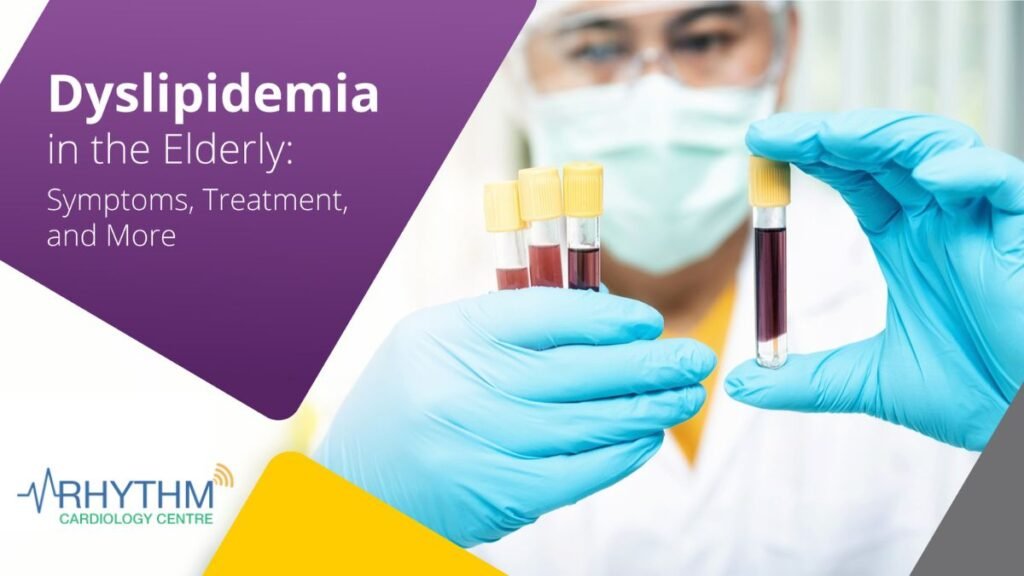
Hearing the term dyslipidemia for the first time can feel overwhelming. It’s a long, complicated word, but the condition itself is something many people quietly live with, often without even knowing it. If you’ve recently been told your cholesterol or triglyceride levels are not normal, you might be worried about what this means for your health and future. At Cardiologistindore, our approach is to make sure you understand your condition in a way that feels less frightening and more empowering.

Dyslipidemia isn’t a life sentence, it’s a signal from your body that it needs some attention and care. It means the levels of certain fats (lipids) in your blood are imbalanced. These changes can increase the risk of heart disease if left unchecked, but with the right steps, many people live full, healthy lives. Our aim here is to give you the knowledge and reassurance you need to take control of your health.
What Exactly Is Dyslipidemia & Why Should You Care?
Simply put, dyslipidemia means there’s too much of some fats and not enough of others in your bloodstream. Commonly, this refers to high LDL (bad cholesterol), low HDL (good cholesterol), or high triglycerides. It matters because these fats can quietly build up in your arteries over time, making it harder for blood to flow smoothly, like a road getting narrower due to debris. Cardiologistindore helps patients catch and manage this early, before it leads to serious heart problems.
What Are the Early Signs You Shouldn’t Ignore?: Cardiologistindore
The truth is, dyslipidemia is often silent. Many people feel fine and only discover it during a routine check-up. However, in some cases, signs like chest discomfort, unexplained fatigue, or small yellowish patches around the eyes (xanthomas) might appear. At the Cardiologist in indore, patients are often surprised to learn how subtle these symptoms can be, making regular check-ups critical.
What Causes Dyslipidemia in Everyday Life?: Cardiologist In Indore
You might think it’s purely genetic, and while family history plays a big role, lifestyle factors are equally important. Diets high in saturated or trans fats, lack of physical activity, smoking, and excessive alcohol intake are major triggers. Certain health conditions, like diabetes, hypothyroidism, or kidney disease, can also lead to dyslipidemia. Cardiologistindore emphasizes that even small daily choices, like replacing fried snacks with fresh fruits, can make a big difference.
How Can You Manage It Without Feeling Overwhelmed?

Managing dyslipidemia isn’t about sudden, drastic changes, it’s about consistent, sustainable steps. Eating more vegetables, whole grains, and lean proteins while limiting processed foods can naturally balance your lipid levels. Gentle daily exercise, such as a 30-minute walk, is also powerful. Cardiologist in indore often advises starting with manageable habits so patients don’t feel pressured, making lifestyle changes more likely to stick.
Is Medication Always Necessary?: Cardiologistindore
Not always. In mild cases, lifestyle changes alone can bring lipid levels back to normal. However, for moderate to severe cases, your doctor may recommend medications such as statins. These work by reducing the production of cholesterol in the liver. At Cardiologistindore, medication decisions are made with care, always balancing effectiveness with patient comfort and understanding.
Can Dyslipidemia Be Completely Cured?
While dyslipidemia can be managed to the point where it no longer poses a serious threat, it often requires lifelong attention. Think of it as tending a garden, you can’t just plant seeds once and walk away. You need ongoing care to keep things healthy. Cardiologist in indore encourages patients to see management not as a burden but as a form of self-respect and investment in their future health.
Why Does Regular Monitoring Matter So Much?

Cholesterol and triglyceride levels can change without any obvious symptoms. Regular monitoring ensures you catch these changes early. This way, adjustments to diet, exercise, or medication can be made before complications develop. Cardiologistindore reminds patients that preventive care is far easier, and far less stressful, than dealing with advanced heart disease.
Patient Reviews
Ravi M. – I came in worried about my cholesterol levels, but the clear explanations and step-by-step plan made me feel in control. I’ve seen great results in just 6 months.
Priya K. – I was nervous about starting medication, but the way everything was explained made me feel safe and understood. My numbers have improved, and I feel healthier.
Anil S. – The care and attention I received here is unmatched. It’s not just about treatment, it’s about making you feel heard and supported.
FAQs
Q1: Is dyslipidemia the same as high cholesterol?
Not exactly. High cholesterol is one type of dyslipidemia. The condition also includes low HDL or high triglycerides.
Q2: Can I control dyslipidemia without medicine?
In mild cases, yes. A healthy diet, regular exercise, and quitting smoking can be enough.
Q3: How often should I get my cholesterol checked?
Most adults should check every 4–6 years, but if you have risk factors, your doctor may suggest more frequent tests.
Q4: Does dyslipidemia always cause symptoms?
No. Many people feel fine until it causes more serious problems, which is why regular check-ups are important.
Q5: Is it safe to exercise if I have dyslipidemia?
Yes, regular physical activity is one of the best ways to manage it. Always start gradually if you’re new to exercise.
Conclusion
Living with dyslipidemia doesn’t mean living in fear. With the right guidance, healthy habits, and timely check-ups, you can protect your heart and overall well-being. At Cardiologist in indore, patients trust Dr. Siddhant Jain, a highly experienced and respected cardiac specialist with years of expertise in diagnosing, treating, and supporting patients with heart conditions. His compassionate approach, combined with his deep medical knowledge and proven track record, has helped countless people regain confidence in their health journey.