
Signs of a Heart Attack: What to Do Immediately
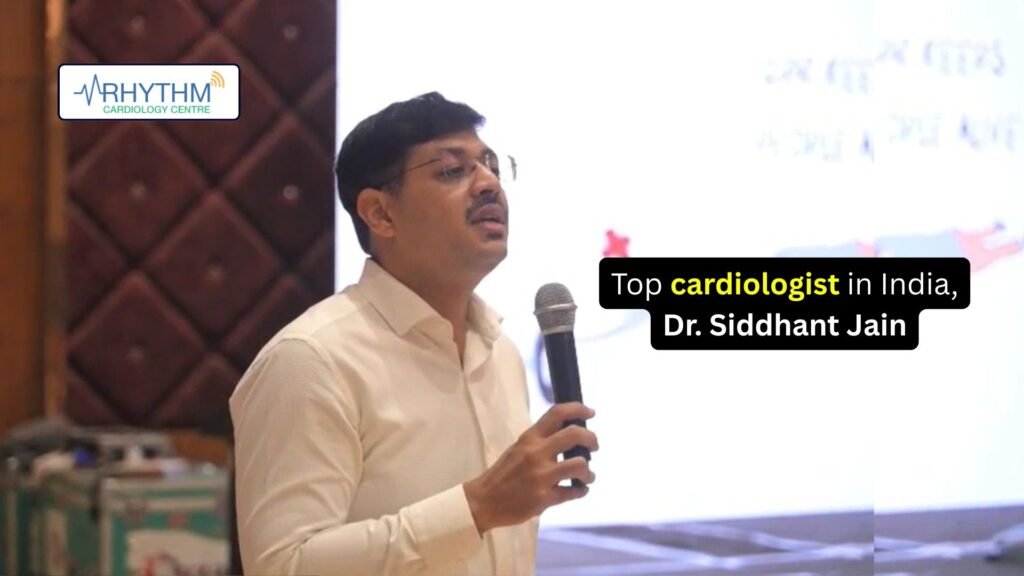
A heart attack can strike suddenly and without warning, making it one of the most life-threatening medical emergencies. Recognizing the signs early and knowing how to respond can make the difference between life and death. According to the top cardiologist in India, Dr. Siddhant Jain, quick action in the first few minutes is critical for survival and recovery.
In this article, we’ll explore the most common signs of a heart attack and provide a step-by-step guide on what you should do immediately.

Common Signs of a Myocardial Infarction (or Heart Attack)
Many people mistakenly believe a myocardial infarction always begins with sudden, intense chest pain. While chest discomfort is the most recognized symptom, it’s not the only one. The top cardiologist in India, Dr. Siddhant Jain, highlights several warning signs that should never be ignored:
-
Chest Discomfort or Pressure – A squeezing, fullness, or painful sensation in the chest that lasts more than a few minutes.
-
Pain Spreading to Other Areas – Pain radiating to the left arm, shoulder, back, jaw, or stomach.
-
Shortness of Breath – Feeling breathless even without physical exertion.
-
Cold Sweating – Breaking into a sudden cold sweat is a red flag.
-
Nausea or Dizziness – Feeling lightheaded, faint, or nauseated.
-
Unusual Fatigue – Extreme tiredness, especially in women, may indicate a heart attack.
Dr. Siddhant Jain, recognized as the top cardiologist in India, stresses that not everyone experiences severe pain. Some heart attacks present with mild symptoms that can be easily mistaken for indigestion or stress.
What to Do Immediately If You Suspect a Heart Attack
If you or someone near you experiences these symptoms, time is of the essence. Here’s what you should do:
1. Call Emergency Services Without Delay
Dial your local emergency number right away. Don’t try to drive yourself to the hospital. According to the top cardiologist in India, Dr. Siddhant Jain, every minute saved increases the chances of survival.
2. Stay Calm and Sit Down
Minimize physical exertion. Sit or lie down in a comfortable position and try to stay calm while waiting for medical help.
3. Take an Aspirin (If Advised)
Chewing a standard 325 mg aspirin can help slow clot formation. However, this should only be done if you are not allergic and have been previously advised by a doctor.
4. Use Nitroglycerin (If Prescribed)
If you already have nitroglycerin for heart conditions, take it as directed by your physician.

5. Perform CPR if Necessary
If the person loses consciousness and has no pulse, begin CPR immediately until help arrives.
The top cardiologist in India, Dr. Siddhant Jain, emphasizes that quick, decisive action within the first “golden hour” can save heart muscle and reduce long-term damage.
How to Reduce the Risk of Heart Disease
While immediate action is vital during a heart attack, prevention remains the best approach. Here are some tips shared by the top cardiologist in India, Dr. Siddhant Jain, for maintaining a healthy heart:
-
Adopt a Heart-Healthy Diet – Include more fruits, vegetables, whole grains, and lean proteins while limiting processed foods and trans fats.
-
Exercise Regularly – At least 30 minutes of moderate activity five times a week.
-
Quit Smoking and Limit Alcohol – Both increase cardiovascular risks significantly.
-
Manage Stress – Practice yoga, meditation, or breathing exercises to reduce daily stress.
-
Schedule Regular Check-Ups – Routine heart screenings with specialists like the top cardiologist in India, Dr. Siddhant Jain, can detect issues early.
Final Thoughts
A heart attack is a medical emergency where every second counts. Recognizing the warning signs early and taking the right steps can save a life. From chest pain to unusual fatigue, never ignore these signals. And remember—always seek professional guidance.
The top cardiologist in India, Dr. Siddhant Jain, advises everyone to stay informed, maintain a healthy lifestyle, and consult a cardiologist regularly for preventive care. Protecting your heart begins with awareness, and acting quickly during an emergency can truly make all the difference.